Unlock the Power of Modern Peptide Science

In the world of advanced wellness and cutting-edge research, peptides are quickly becoming one of the most talked-about compounds. From supporting recovery to enhancing skin health and optimizing biological functions, peptides represent the next evolution in precision science.
But what exactly are peptides—and why are researchers, athletes, and biohackers paying so much attention?
Let’s break it down.
What Are Peptides?
Peptides are short chains of amino acids, the same building blocks that form proteins in your body. The key difference? Peptides are smaller, which makes them easier to absorb and more targeted in function.
Think of peptides as biological messengers they send signals to your cells to trigger specific actions like:
- Tissue repair
- Collagen production
- Hormone signaling
- Immune response
Because of this precision, peptides are widely used in scientific research, performance optimization, and advanced skincare formulations.
Why Peptides Are Gaining Massive Popularity

Peptides aren’t just hype—they’re backed by growing scientific interest due to their multi-functional benefits.
1. Enhanced Recovery & Tissue Repair

Peptides are increasingly studied for their potential role in supporting cellular repair and regeneration processes. In biological systems, recovery from stress or injury involves complex signaling pathways—and peptides may act as key messengers that help regulate these pathways.
How It Works (Research Perspective)
Certain peptides are being explored for their ability to:
- Signal cells to increase protein synthesis
- Support angiogenesis (formation of new blood vessels)
- Promote collagen deposition in damaged tissues
- Enhance communication between cells involved in healing
This makes them highly relevant in musculoskeletal and connective tissue research, where scientists study recovery of:
- Muscles
- Tendons
- Ligaments
Why It Matters
Efficient recovery is critical not only in sports science but also in broader biological studies involving:
- Tissue regeneration
- Wound healing models
- Post-stress cellular recovery
Peptides offer a targeted approach, meaning they may influence specific pathways rather than affecting the entire body system broadly.
2. Anti-Aging & Skin Optimization
One of the most widely studied applications of peptides is in skin and cosmetic science, particularly in relation to aging and skin structure.
As the body ages, natural production of collagen and elastin declines. These two proteins are essential for maintaining:
- Skin firmness
- Elasticity
- Hydration
- Smooth texture

Role of Peptides in Skin Research
Peptides are being studied for their ability to:
- Signal skin cells (fibroblasts) to produce more collagen
- Support elastin fiber formation
- Improve skin barrier function
- Enhance moisture retention
Some peptides are even referred to as “signal peptides” because they trigger biological responses that mimic youthful skin activity.
Why This Is Important
In research settings, peptides are explored as part of advanced approaches to:
- Skin regeneration models
- Anti-aging formulations
- Cosmetic dermatology innovations
Their precision and targeted signaling make them especially interesting compared to traditional skincare ingredients.
3. Muscle Growth & Performance Support
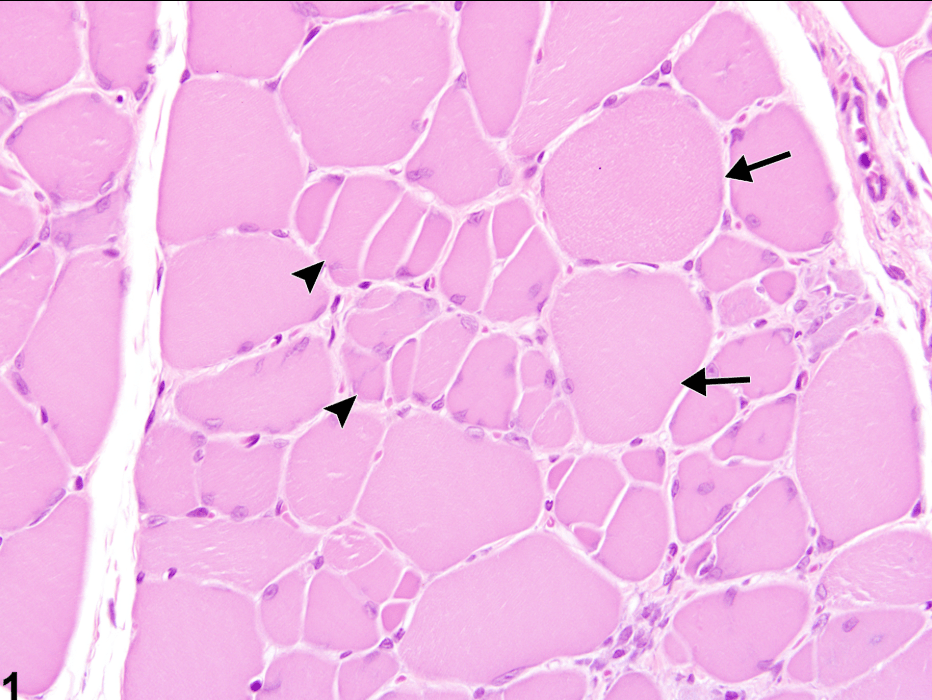
Peptides are also widely studied in the context of performance science and muscle biology, particularly for their interaction with growth hormone pathways.
Mechanism in Research
Certain peptides are being investigated for their ability to:
- Stimulate growth hormone release
- Support protein synthesis in muscle tissue
- Enhance nitrogen retention
- Improve recovery signaling after physical stress
These processes are essential in studies related to:
- Muscle hypertrophy (growth)
- Strength development
- Recovery optimization
⚡ Research Applications
In controlled environments, scientists explore how peptides may:
- Accelerate recovery after intense activity
- Support lean tissue development
- Reduce downtime between training cycles
💡 Key Advantage
Unlike traditional compounds, peptides are often studied for their selective action, meaning they may influence specific hormonal or cellular pathways without widespread systemic effects.
4. Anti-Inflammatory & Immune Support
Inflammation is a natural biological response—but when it becomes excessive or prolonged, it can interfere with normal cellular function.
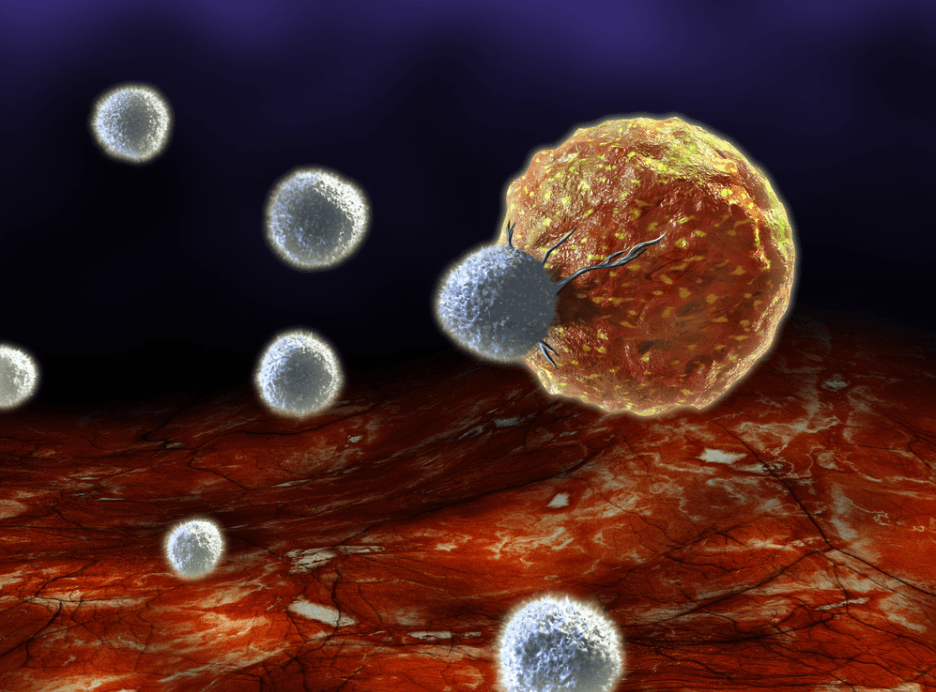
Peptides are being researched for their potential role in modulating inflammatory responses and supporting immune system activity.
🧪 What Research Suggests
Certain peptides are studied for their ability to:
- Regulate pro-inflammatory and anti-inflammatory signals
- Support immune cell communication
- Enhance the body’s response to microbial challenges
- Assist in maintaining cellular balance (homeostasis)
🔬 Immune System Relevance
Peptides may play a role in:
- Supporting natural defense mechanisms
- Improving response efficiency in immune pathways
- Reducing excessive inflammatory signaling
💡 Why This Matters
In research environments, controlling inflammation is essential for studying:
- Chronic conditions
- Recovery processes
- Immune system efficiency
Peptides offer a targeted and controlled way to explore these biological responses.
How Peptides Work (Simple Explanation)

Peptides work by binding to receptors on cells, telling your body to perform specific functions.
For example:
- Some peptides signal your body to produce more collagen
- Others may trigger growth hormone release
- Some help regulate inflammation and healing processes
Because they are highly targeted, peptides are often studied for precision-based biological effects—unlike traditional supplements that act broadly.
Popular Types of Peptides in Research
Here are some widely recognized categories:
🔹 Collagen Peptides
- Focus: Skin, joints, anti-aging
- Benefit: Improves elasticity and hydration
🔹 Growth Hormone Peptides
- Focus: Muscle growth, recovery
- Benefit: Supports performance optimization
🔹 Healing & Regeneration Peptides
- Focus: Tissue repair
- Benefit: Supports recovery studies and cellular regeneration
🔹 Cognitive Peptides
- Focus: Brain function
- Benefit: Studied for memory and focus enhancement
Why Quality Matters in Peptide Sourcing
Not all peptides are created equal.
When it comes to research-grade peptides, purity, sterility, and testing standards are critical.
High-quality peptide suppliers focus on:
- Third-party lab testing
- High purity levels (often 99%+)
- Sterile and endotoxin-free production
- Proper storage and handling protocols
These factors are essential for consistent and reliable research outcomes.
Important Disclaimer (Compliance First)
Peptides sold by research suppliers are:
- Intended strictly for laboratory and research use
- Not approved for human consumption
- Used for scientific, educational, and analytical purposes only
Always ensure compliance with your local regulations and research guidelines.
Peptides represent a shift toward targeted, efficient, and science-driven solutions.
Instead of broad, one-size-fits-all approaches, peptides allow for:
- Precision targeting
- Faster biological response
- More controlled research outcomes
As research continues to evolve, peptides are expected to play a major role in:
- Regenerative science
- Longevity research
- Advanced performance optimization
Final Thoughts: Should You Explore Peptides?
If you’re interested in cutting-edge science, advanced research compounds, or next-gen performance optimization, peptides are worth exploring.
They combine:
✔ Precision
✔ Efficiency
✔ Scientific potential
Making them one of the most exciting areas in modern research today.
Ready to Explore High-Quality Peptides?
Discover premium research-grade compounds designed for serious researchers and advanced studies.
Explore now and elevate your research potent