Mechanism of Action
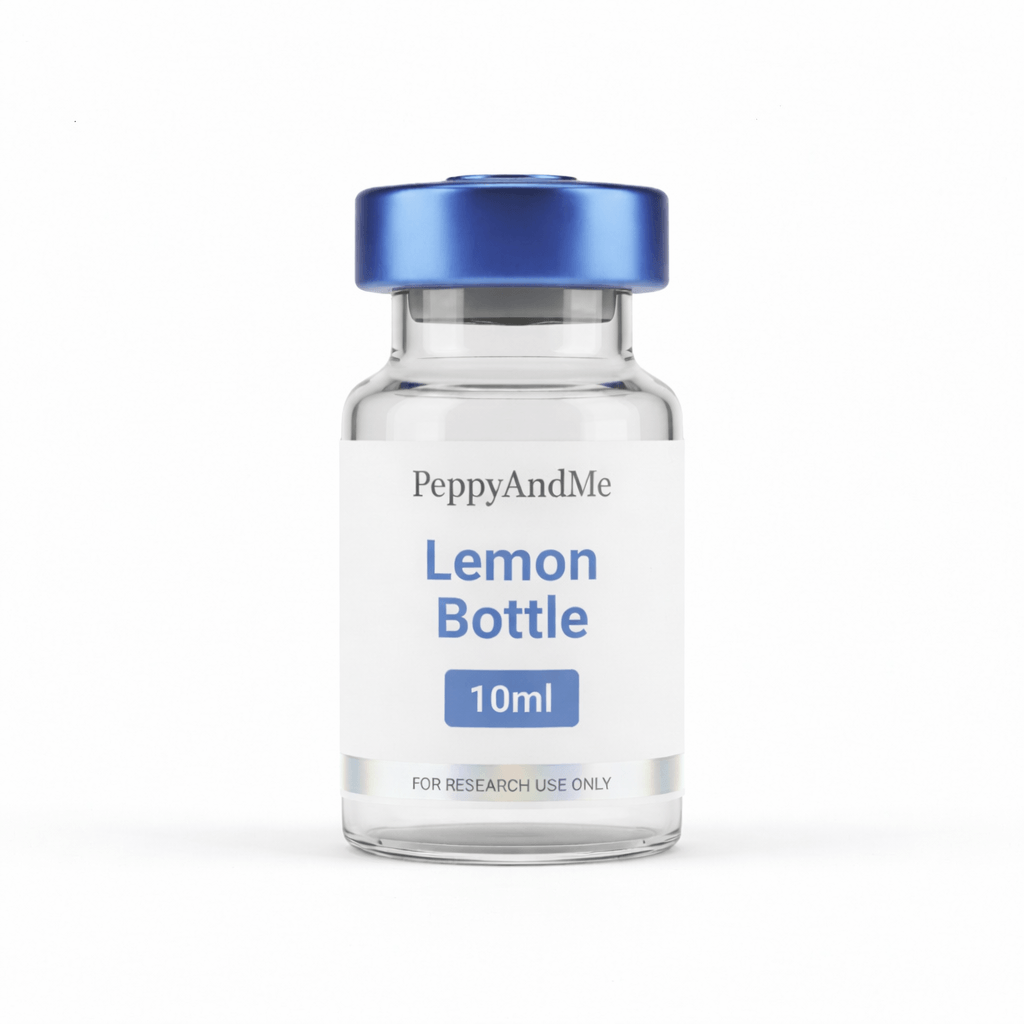
Lemon Bottle is formulated as a research compound commonly studied for its interaction with lipid metabolism pathways, cellular energy regulation, and biochemical signaling processes related to fat-derived substrates.
To begin with, laboratory studies explore how this compound interacts with pathways involved in lipid mobilization and fatty acid processing. Because of this, researchers analyze its role in cellular energy utilization and substrate conversion under controlled experimental conditions. In addition, its involvement in metabolic signaling allows deeper investigation into how cells regulate stored energy resources.
At the same time, this compound is examined for its influence on enzymatic activity related to lipid breakdown and transport. As a result, it supports research focused on metabolic efficiency and biochemical pathway coordination. Moreover, researchers investigate how these interactions affect cellular response mechanisms when exposed to varying metabolic states. Therefore, it becomes relevant in studies involving energy balance and metabolic adaptation.
Meanwhile, Lemon Bottle peptide for research is also evaluated for its interaction with cellular signaling pathways associated with structural and biochemical regulation. Because of this, it is included in models exploring how cells respond to lipid-related stimuli and environmental stressors. In addition, these processes allow researchers to better understand complex metabolic systems.
Ultimately, Lemon Bottle peptide for research is increasingly utilized in advanced laboratory studies examining lipid metabolism, cellular signaling coordination, and energy pathway regulation across complex biological models.
Research Applications
- Lipid metabolism pathway analysis
- Fatty acid transport and mobilization studies
- Cellular energy regulation research
- Metabolic signaling pathway investigations
- Enzymatic activity related to lipid processing
- Cellular response to metabolic stress models
- Energy balance and substrate utilization studies
- Biochemical pathway coordination research
Laboratory Handling Directions
- Store at controlled room temperature (15–25°C / 59–77°F)
- Protect from light and moisture during storage
- Use aseptic technique when handling compound
- Reconstitute with sterile or bacteriostatic water as appropriate
- Once reconstituted, refrigerate at 2–8°C (36–46°F)
- Document all handling procedures per laboratory protocols
Critical Compliance Notice
FOR RESEARCH USE ONLY. This product is sold strictly for in-vitro laboratory research, educational purposes, and scientific investigation. It is NOT intended for human or veterinary use. By purchasing this product, the buyer confirms they are a qualified researcher and assumes full responsibility for ensuring compliance with all applicable regulations.
Scientific References


Reviews
There are no reviews yet.