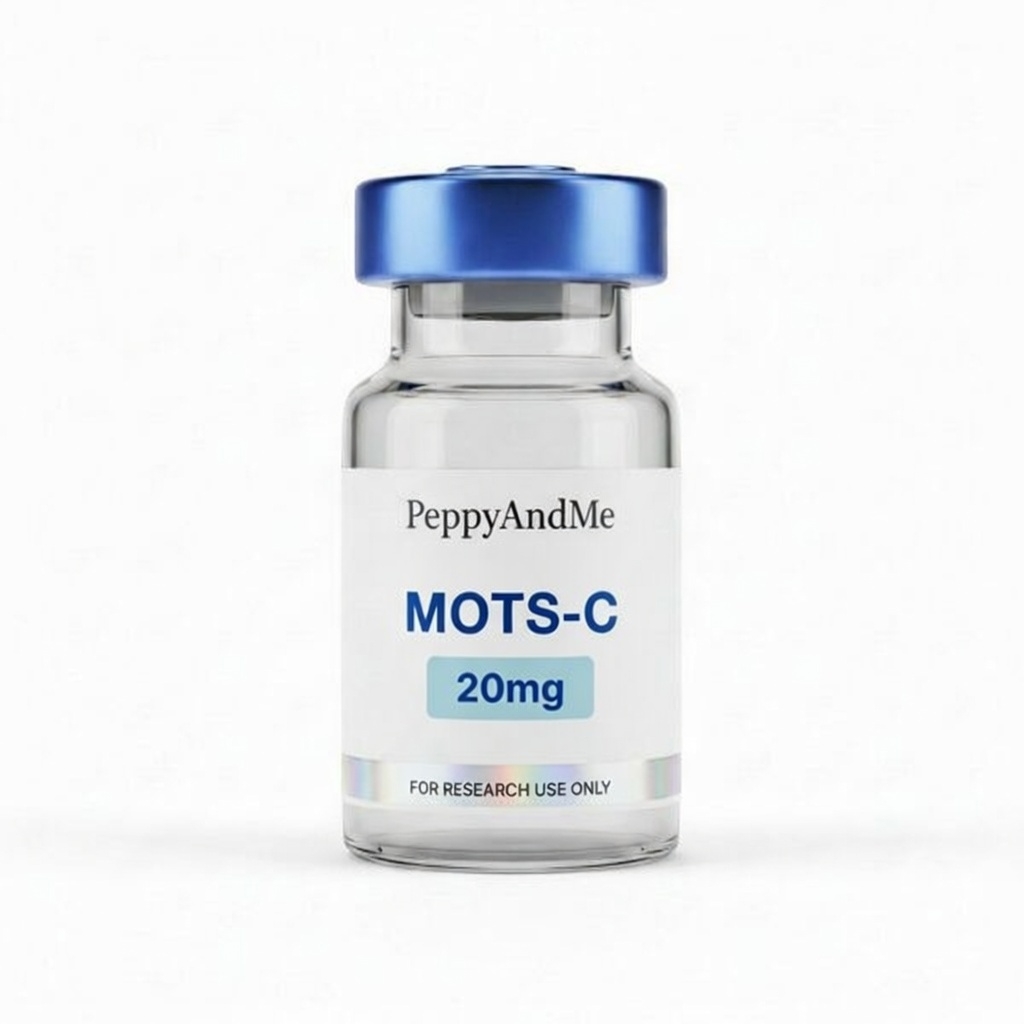
Laboratory Handling Directions
- Store at controlled room temperature (15–25°C / 59–77°F)
- Protect from light and moisture during storage
- Use aseptic technique when handling compound
- Reconstitute with bacteriostatic or sterile water as appropriate
- Once reconstituted, refrigerate at 2–8°C (36–46°F)
- Document all handling procedures per laboratory protocols
Critical Compliance Notice
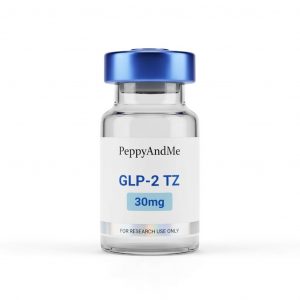
FOR RESEARCH USE ONLY. This product is sold strictly for in-vitro laboratory research, educational purposes, and scientific investigation. It is NOT intended for human or veterinary use. By purchasing this product, the buyer confirms they are a qualified researcher and assumes full responsibility for ensuring compliance with all applicable regulations.
Mechanism of Action
MOTS-c research peptide primarily targets skeletal muscle cells, where it inhibits the folate cycle and de novo purine biosynthesis, leading to accumulation of AICAR and subsequent activation of AMPK, a key regulator of energy homeostasis. Furthermore, under metabolic stress or exercise-like conditions, MOTS-c translocates to the nucleus to modulate gene expression, including upregulation of antioxidant and stress-response genes via pathways involving PGC-1α and Nrf2. Additionally, it enhances glucose uptake, fatty acid oxidation, mitochondrial biogenesis, and insulin sensitivity while reducing inflammation and oxidative stress in various models. Laboratory studies, such as those on high-fat diet or diabetic models, show improved mitochondrial respiration, reduced insulin resistance, and protection against age-related declines. These actions contribute to observed metabolic improvements, with recent research emphasizing its reassuring role in promoting adaptive cellular responses and longevity-associated pathways.
Research Applications
-
Metabolic homeostasis and insulin sensitivity investigations
-
AMPK activation and folate-purine pathway analysis
-
Mitochondrial biogenesis and energy metabolism studies
-
Stress adaptation and nuclear gene regulation research
-
Age-related metabolic dysfunction evaluations
-
Exercise-mimicking effects and anti-inflammatory pathway examinations
Reviews
There are no reviews yet.