Premium Research Supply
Research materials,
verified to the molecule.
Where analytical transparency meets research-grade excellence.
Sourced for serious researchers. Every compound undergoes independent analytical verification with full lot traceability and publicly available Certificates of Analysis.
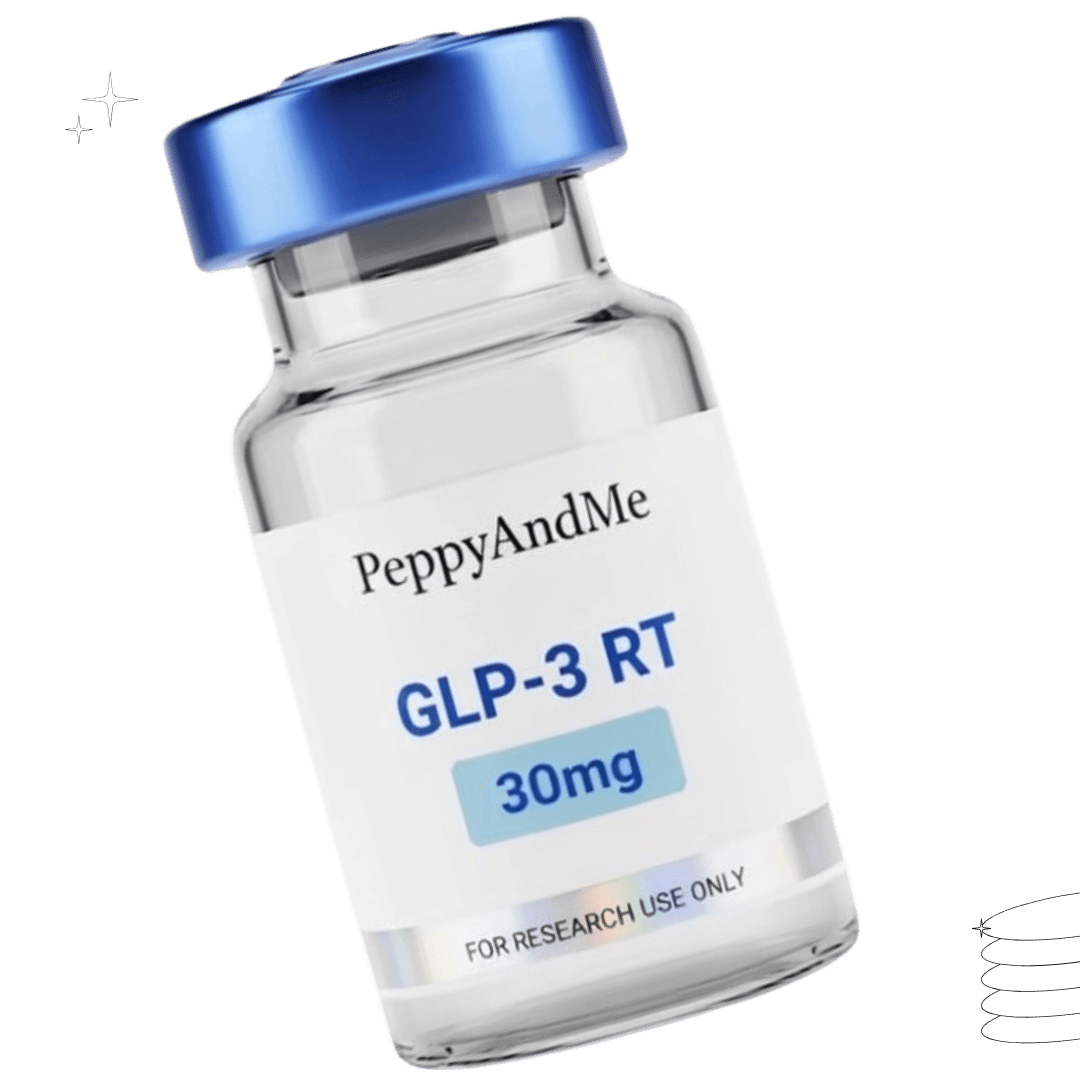
Lot Verified
PMRT302603A
Independent Laboratory
Purity
99.7%
RP-HPLC Confirmed
Identity
✓ Match
ESI-MS · Pass
Why Peppy&Me
Why researchers choose us.
Every claim comes with evidence — independently verified, lot-specific, and publicly accessible.
100%
Lot-Specific Transparency
Scan the QR on your vial to open the Peppy&Me COA Vault directly. Enter the printed lot code to pull your exact batch documentation — identity, purity, and every test result run on your specific lot.
In-Stock Research Materials
Ready to Ship Research Chemicals
Showing 0 of 0 in-stock products · All include independent COA
The Peppy&Me Research Glossary
A precise peptide glossary for active researchers — compounds, mechanisms, and analytical documentation. Every entry written with scientific accuracy and clarity.
Hosted at pedia.peppyandme.com · Freely accessible · No account required
Community Appreciation
A thank-you to those who serve.
Military veterans, first responders, teachers, and nurses give so much. Peppy&Me offers a permanent 15% discount as a small token of appreciation.
Choose your group
Select your qualifying category above
Verify with GovX ID
Secure, private verification — no documents shared with Peppy&Me
Receive your discount
A unique 15% code is emailed to you instantly
Get the latest research, first.
Restock alerts, inventory updates, and exclusive research insights — sent directly to your inbox. No spam, ever.
Grow with Peppy&Me
Partner with us
Affiliate Program
Earn 15% per referral
Share your unique link. Every qualifying order earns you 15% commission, paid monthly.
Apply Now →Private Label Partnership
Your brand, our standards
Premium white-label research compounds with your branding and our analytical documentation.
Inquire →DOZED Companion Platform
Research Protocol Documentation
Document analytical protocols, manage project timelines, and access specialized reference tools with DOZED — a companion platform for structured research documentation and project management.
Explore DOZED →